
“`html
The Benefits of Prime Lenses
In the world of photography, the choice between prime lenses and zoom lenses is a fundamental decision that can greatly influence a photographer’s work. This blog post delves into understanding what prime and zoom lenses are, their respective advantages and disadvantages, and how each can impact your photography style. We’ll explore the unique optical strengths of prime lenses, the versatile nature of zoom lenses, and weigh the critical factors such as focal length, aperture, size, weight, price, sharpness, and overall quality. By the end of this read, you’ll gain insightful knowledge into choosing the right lens strategy for your specific needs, coupled with our recommended picks for both prime and zoom lenses. Whether you’re a budding amateur or a seasoned professional, understanding the benefits and limitations of both lens types is crucial in your photographic journey.
What is a prime lens?
A prime lens, also known as a fixed lens, possesses a single focal length. Unlike zoom lenses, which allow you to adjust the focal length, prime lenses have a set view and are not flexible in terms of zooming in or out. This characteristic often means that photographers need to physically move closer to or farther from their subject to get the desired framing.
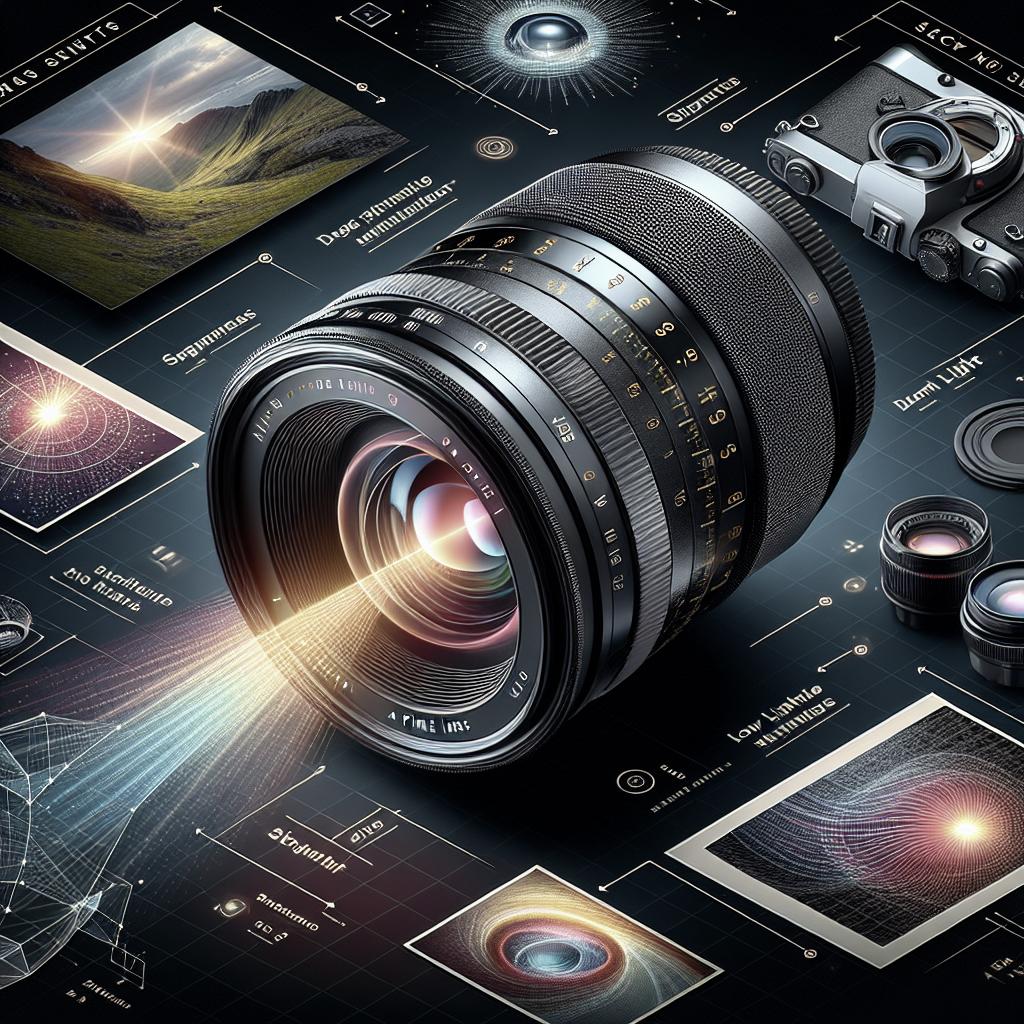
Prime lenses are revered for their simplicity and optical performance. With fewer moving parts inside the lens, they are typically more robust and less prone to mechanical failure. Moreover, the design allows for greater sharpness and clarity in images, often outperforming their zoom counterparts in similar focal lengths.
What is a zoom lens?
Zoom lenses are characterized by their ability to cover a range of focal lengths within a single lens. This capability affords photographers the flexibility to adjust the composition without changing their position or lenses. The adaptability makes zoom lenses a popular choice for dynamic shooting environments such as wildlife, sports, and events.
Despite their versatility, zoom lenses tend to be bulkier and may not always match the sharpness and low-light performance of prime lenses at their individual focal lengths. The complexity of having multiple focal options is reflected in their mechanical design, often leading to higher costs and more maintenance.
Prime Lenses: Embracing Optical Excellence
Prime lenses are well-loved for their image quality and speed. Their wide maximum apertures allow more light to enter, resulting in excellent performance in low-light conditions and the ability to create stunning bokeh. This makes them an excellent choice for portrait, landscape, and street photography, where sharpness and depth-of-field play crucial roles.
The fixed focal length encourages photographers to engage creatively with their environment, as they rely more on composition and framing than zoom lenses’ convenience. This practice can lead to improved skills in visual storytelling and a deeper understanding of focal distances.
Zoom Lenses: Flexibility at Your Fingertips
The primary advantage of zoom lenses lies in their convenience. With a single lens, photographers can capture a range of scenes without changing lenses, making them ideal for scenarios like travel, events, and filmmaking where time and flexibility are crucial.
Zoom lenses are treasured in fast-paced environments, encouraging photographers to capture fleeting moments from diverse distances swiftly. While they sometimes sacrifice some optical quality for versatility, modern advancements in lens technology continue to close this gap, offering increased performance.
Prime and Zoom Lenses: Pros and Cons
Prime Lenses Pros & Cons:
Prime lenses offer exceptional sharpness and brightness due to their wide aperture and simple construction, making them ideal for low-light and portrait photography. However, their fixed focal length can limit convenience and requires more physical adjustment.
Zoom Lenses Pros & Cons:
Zoom lenses provide dynamic flexibility with multiple focal lengths in one package, catering to varied photography needs. However, they might compromise on image quality, may be heavier, and can be more expensive.
Focal Length
Prime lenses have a fixed focal length, which requires photographers to be creative with positioning. In contrast, zoom lenses offer a range, which can be more adaptable in unpredictable settings.
Aperture
Primes typically boast larger maximum apertures, enabling better low-light performance and offering stunning bokeh. Zoom lenses, especially affordable ones, often have smaller maximum apertures.
Size
Prime lenses are generally more compact, making them a lighter option to carry around. This is a significant benefit for travel or street photographers.
Weight
When it comes to weight, prime lenses usually have the edge as they are lighter than the multifaceted build of zoom lenses, making them advantageous for long shooting days.
Price
While high-end prime lenses can be expensive, many affordable options provide great performance for relatively low cost. Zoom lenses with similar quality often come with a higher price tag due to their complexity.
Sharpness and Quality
Prime lenses often deliver superior sharpness and image quality compared to zoom lenses in the same price range. This quality comes from the simpler optical path in prime lenses.
Prime vs Zoom Lens: The Bottom Line
Choosing between a prime and zoom lens often comes down to personal preference and shooting requirements. Prime lenses generally offer superior image quality, speed, and are perfect for photographers who prefer a lighter kit. Zoom lenses bring versatility and convenience, making them essential for those who need to adapt quickly to different shooting conditions.
It’s crucial to understand your specific needs, the type of photography you engage in, and how mobility, budget, and sharpness weigh in your overall decision. Many photographers find a balance by owning both types, using each in scenarios where they excel.
Recommended Lenses
Prime Lenses
For those interested in prime lenses, the Canon 50mm f/1.8, Nikon 35mm f/1.8, and Sony 85mm f/1.8 are excellent starters. They offer robust performance and are affordable choices for beginners and enthusiasts alike.
More professional options include the Canon RF 50mm f/1.2 L and the Sigma 85mm f/1.4 Art lens, which deliver outstanding image quality and low-light performance, favored by professionals.
Zoom Lenses
The Tamron 28-75mm f/2.8 and Canon 24-70mm f/2.8 L II are fantastic for those seeking zoom lens versatility paired with solid image performance. They cover a useful focal range, making them perfect for travel and event photography.
For wildlife or sports, the Nikon 70-200mm f/2.8 and Sony 100-400mm f/4.5-5.6 are excellent choices, offering exceptional reach and sharpness for capturing fast-moving subjects.
Next Steps
| Aspect | Prime Lenses | Zoom Lenses |
|---|---|---|
| Focal Length | Fixed | Variable |
| Aperture | Wider, better for low-light | Smaller, varies across range |
| Size | Compact | Bulkier |
| Weight | Lighter | Heavier |
| Price | Generally cheaper | Generally more expensive |
| Sharpness & Quality | Higher at similar costs | More variable |
“`
