
“`html
What are the Advantages of Manual Mode?
Photography offers a spectrum of modes that accommodate diverse shooting conditions and creative needs. For beginners, auto modes provide a straightforward approach to capturing images. However, exploring manual mode unveils a world of creative possibilities and control. In this blog post, we’ll explore the specifics of auto modes, like aperture priority and shutter priority, before diving deep into manual mode. We’ll discuss key components such as exposure, aperture, shutter speed, and ISO, guiding you to master this powerful feature. By the end, you’ll understand why making the move to ‘M’ could revolutionize your photography journey.
The Auto Modes
Auto Mode
Auto mode is like a guiding light for amateur photographers; it allows users to capture images without worrying about complex settings. The camera automatically adjusts exposure, focus, and other parameters to achieve a balanced photo. This mode is particularly useful in predictable, well-lit situations, where the camera can easily determine optimal settings.
Despite its ease, auto mode limits creative control. It can result in lackluster photos in challenging lighting or artistic scenarios, where human intuition might better assess the nuances compared to a preset algorithm.
Aperture Priority Mode
Aperture priority mode (often indicated as ‘A’ or ‘Av’ on cameras) provides photographers control over the aperture setting while the camera decides on the shutter speed. This mode is particularly beneficial for managing depth of field, allowing photographers to isolate subjects or keep everything in focus, depending on their artistic vision.
While it grants more creative flex than auto mode, aperture priority mode may still struggle in varying light situations. If the lighting conditions change quickly, the camera’s automatic adjustments might not always capture the scene as desired.
Shutter Priority Mode
Shutter priority mode (‘S’ or ‘Tv’) is designed for those who prioritize capturing motion in their photography. In this mode, photographers set the desired shutter speed while the camera automatically selects the aperture. It’s indispensable for freezing fast action or embracing motion blur creatively.
Nevertheless, relying solely on shutter priority mode can be limiting. If the camera’s chosen aperture doesn’t align with creative intentions or available lighting struggles to support the speed, the photographer might miss achieving the perfect shot.
ISO Priority Mode
ISO priority mode lets photographers fix the ISO while the camera manages aperture and shutter speed. It’s a less common option provided by some cameras. This mode is beneficial in controlling noise levels, especially in low-light environments where higher ISO is necessary.
Despite its utility, ISO priority may sacrifice image quality or result in missed shots due to inappropriate exposure settings chosen automatically by the camera, echoing limitations found in other auto modes.
What is Manual Mode?
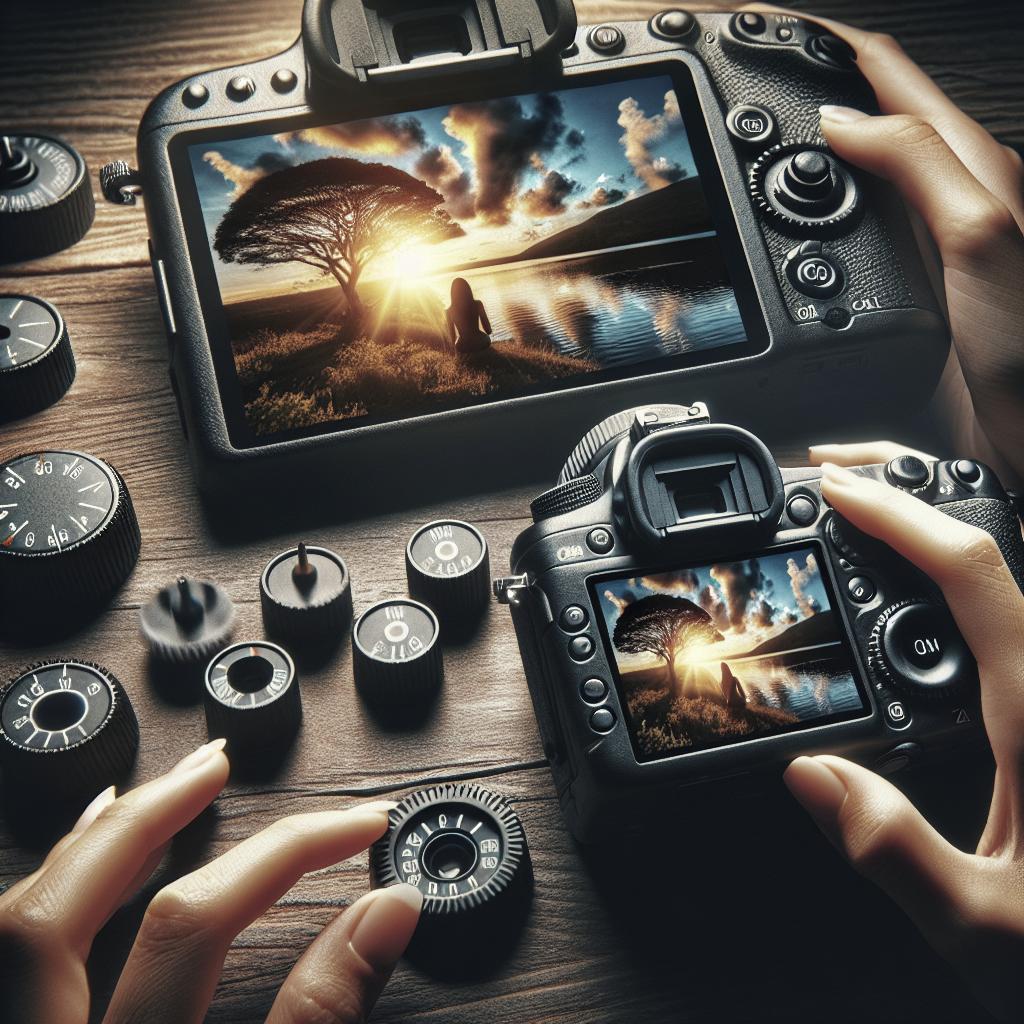
Manual mode, often symbolized by ‘M’ on cameras, offers complete control over key photographic parameters: aperture, shutter speed, and ISO. It liberates photographers from the decisions made automatically by the camera, empowering them to craft images that reflect their creative vision and respond to unique shooting conditions.
This mode shines in scenarios demanding precision or creativity beyond the realm of auto settings. It allows photographers to adapt effortlessly to complex lighting, intricate scenes, or dynamic motion, thereby garnering results tailored to their specific artistic objectives.
Exposure
Exposure determines the brightness of an image and is controlled by adjusting aperture, shutter speed, and ISO. In manual mode, photographers have the chance to fine-tune exposure to account for lighting conditions, creating visually compelling images that align with their intent.
Understanding exposure involves mastering the balance of these three factors. Manual mode provides an educational ground for trial and error, refining an individual’s ability to pre-visualize a shot and translate it into reality, fostering greater awareness of how light interacts with a scene.
Aperture
Aperture refers to the opening in a camera lens that regulates the amount of light entering the camera. It’s measured in f-stops, which denote the size of the aperture opening. In manual mode, controlling aperture facilitates deliberate manipulation of depth of field, influencing how much of the scene is in focus.
Manual aperture control is indispensable for photographers aiming to achieve specific creative effects, like a sharply focused subject against a defocused backdrop. It allows experimentation that can lead to discovering unique approaches to capturing everyday scenes in fresh, intriguing ways.
Shutter Speed
Shutter speed determines how long the camera’s shutter remains open to expose the sensor to light. In manual mode, photographers can manipulate shutter speed to freeze action, impart motion blur, or adapt to varying levels of ambient light.
This control over time is particularly beneficial in creative contexts like long exposures or capturing movement intentionally blurred. Manual manipulation of shutter speed provides an avenue for stylistic experimentation and distinctive photographic narratives, like painting with light or capturing the fluidity of movement.
ISO
ISO influences the sensitivity of the camera’s sensor to light. Higher ISO settings allow for shooting in low light without a flash but can introduce noise. Manual mode enables precise ISO control, striking the balance between sensitivity and image clarity.
Controlling ISO manually is crucial for preserving image integrity, especially in environments with inconsistent lighting. It allows photographers to prevent excessive noise in their images by selecting settings that harmonize with their chosen aperture and shutter speed.
Make the Move to “M”
Transitioning to manual mode can be daunting but incredibly rewarding. It fuels creativity, encouraging photographers to develop a deeper understanding of their cameras and the dynamics of photography. Mastery of manual mode heralds a significant leap toward professional craftsmanship, steering photographers toward achieving results that mere auto modes cannot replicate.
Jyotsna Bhamidipati
Jyotsna Bhamidipati, an accomplished photographer and educator, frequently emphasizes the importance of manual mode’s role in creative photography. Her teachings resonate among aspiring photographers, inspiring them to explore and master their equipment for artistic empowerment.
Her body of work often exemplifies the rich possibilities unlocked by manual mode, showcasing vibrant and evocative imagery that transcends limitations imposed by auto settings. As a mentor, she advocates for a comprehensive understanding of each technical component of photography as a stepping stone towards creative freedom.
Recent Posts by Jyotsna Bhamidipati
- Exploring Depth of Field in Portrait Photography
- Mastering Light and Shadows for Dramatic Landscapes
- The Art of Long Exposure: Capturing Time in Motion
Future Prospects
| Photographic Aspect | Auto Mode | Manual Mode |
|---|---|---|
| Control | Limited | Complete |
| Creative Flexibility | Restricted | Extensive |
| Learning Curve | Beginner-Friendly | Challenging and Educational |
| Adaptability | Static | Dynamic |
“`
