
“`html
How to Effectively Use Shadows in Photos
Capturing shadows in photography is an art that can add depth, drama, and emotion to your shots. Whether you are a budding photographer or a seasoned pro, mastering the use of shadows can elevate your images to a new level. This article will delve into techniques like directing attention, creating mystery, forming silhouettes, and limiting frame detail through creative shadow play. We will also discuss optimal conditions for shadow photography and provide exposure tips to ensure you capture shadows perfectly. Let’s explore these fascinating aspects of shadow usage, ensuring your photographs leave a lasting impression.
Direct attention and bring focus
Shadows can direct attention in a photograph by subtly guiding the viewer’s eyes to the subject of interest. When utilized correctly, shadows frame and highlight the main components of an image, drawing focus naturally. This technique is particularly effective in portraits, where contrasting shadows can define and enhance facial features, making them more captivating.
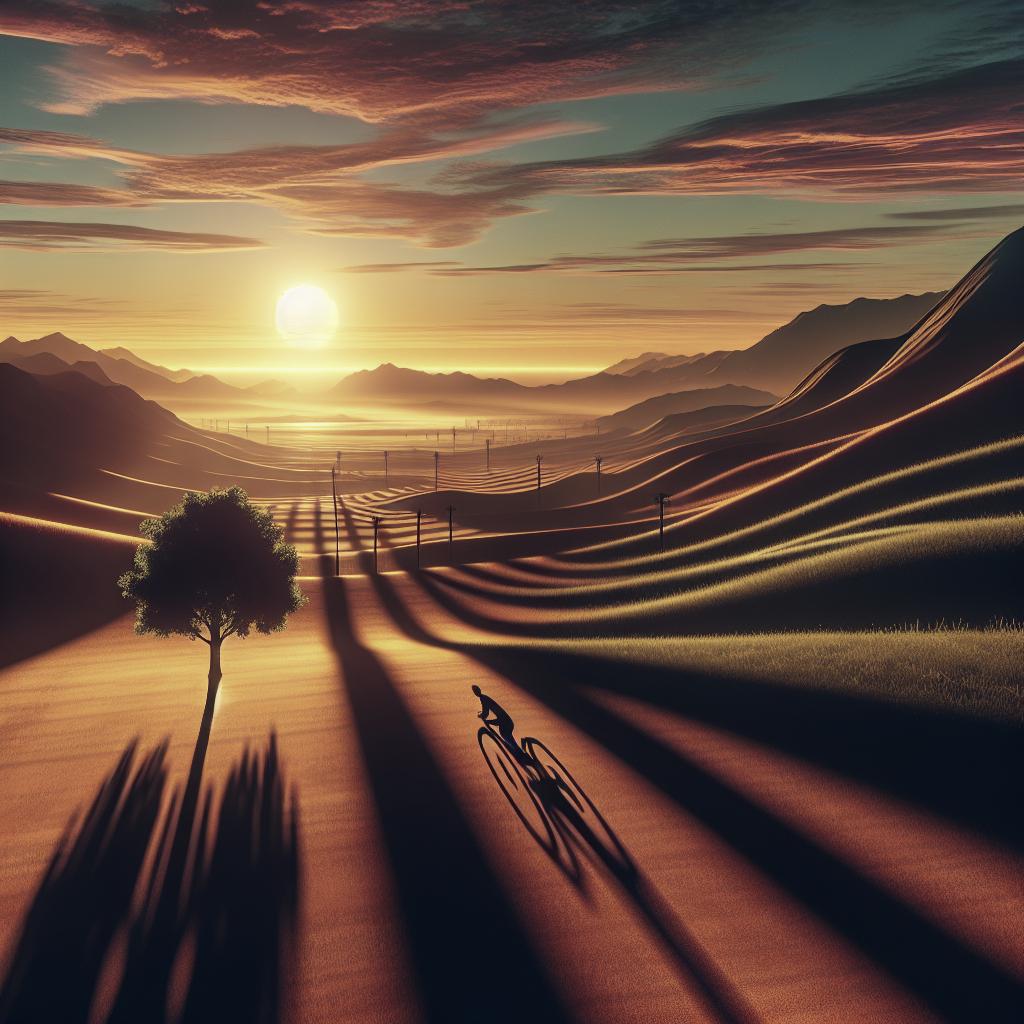
In landscapes, shadows can outline shapes or paths that lead towards a focal point, adding a sense of depth and movement. By controlling the light source and angle, photographers can manipulate shadow length and intensity, thereby controlling what captures the viewer’s gaze and maintaining visual interest.
Create the mystery
Shadows are powerful tools for storytelling because they inherently carry a sense of mystery and intrigue. They can suggest presence or absence, hint at unseen elements, and infuse a photograph with a narrative that evokes curiosity. For example, the shadow of a hand reaching toward a closed door can suggest a gripping storyline without revealing the full scene.
Playing with shadows allows photographers to craft enigmatic scenes that provoke questions and engage viewers’ imaginations. By concealing certain elements and highlighting others, shadows encourage a deeper exploration of the photograph, urging viewers to infer meanings and stories behind the image.
Form silhouettes
Silhouette photography relies heavily on the use of shadows to create striking contrasts between the subject and background. This technique involves photographing a subject against a strong light source, resulting in a dark shape against a bright backdrop. Silhouettes emphasize the form and structure of the subject, often conveying emotion through posture and outline.
Effective silhouette photography often requires planning and timing, capturing subjects during sunrise or sunset to maximize contrast and colors. By balancing exposure settings and light sources, photographers can create dynamic silhouettes that stand out due to their simplicity and clarity.
Hiding parts of the frame to limit the amount of detail
Shadows can deliberately obscure parts of the frame, allowing photographers to control how much detail is revealed and what remains hidden. This selective concealment can be used to simplify a scene, emphasizing only the most vital components while maintaining an element of intrigue.
By limiting detail, photographers guide viewer interpretation, offering a curated visual experience that highlights certain aspects of the scene. This approach can remove distractions, focusing attention on the composition and interaction of light and shadow, which is crucial in monochrome photography.
Use them creatively
Creative use of shadows enables photographers to add unique character and style to their images. Whether by experimenting with shapes, patterns, or colors, shadows can transform ordinary scenes into interesting works of art. Photographers can play with transparency and opacity, using layered shadows to provide depth or rhythm to a scene.
This creativity might also involve incorporating shadow play into abstract photography, where distorted and whimsical shadow forms engage the viewer. By blending reality with creativity, shadows can become integral components rather than mere accessory details, forming an essential part of the photograph’s narrative.
When should you shoot shadows?
The time of day profoundly affects shadow length, direction, and hardness. Early mornings and late afternoons are ideal for shadow photography due to the low angle of the sun, casting longer and softer shadows. Golden hour lighting adds warmth, enhancing the mood and depth created by shadows.
Additionally, midday sunlight can be useful for harsher, more pronounced shadows, contributing to dramatic effects. Overcast days offer diffused lighting, producing subtle shadows that can emphasize texture and detail without overwhelming the subject.
Finally, some exposure tips on capturing shadows
Exposure is critical when photographing shadows, ensuring that both shadowed and lit areas are captured accurately. Adjusting the exposure compensation on your camera can help balance the contrast, preventing shadows from becoming too dark and losing detail.
Using a histogram can guide exposure adjustments, helping you visualize the balance of light and dark tones. Bracketing exposure settings is another useful technique if you are unsure of the correct exposure, allowing for later adjustments during post-processing to achieve the desired effect. Additionally, using spot metering can help you highlight specific areas, ensuring that key components are correctly exposed.
Summary of main points
| Techniques | Details |
|---|---|
| Direct attention and bring focus | Use shadows to highlight and frame subjects, directing viewer focus naturally. |
| Create the mystery | Utilize shadows to suggest narratives and engage viewers with hidden stories. |
| Form silhouettes | Capture strong contrasts between subject and background to emphasize form and emotion. |
| Hiding parts of the frame to limit detail | Deliberately obscure parts of the frame, focusing on essential scene elements. |
| Use them creatively | Incorporate shadow shapes and play for artistic impact and abstract photography. |
| When should you shoot shadows? | Opt for mornings, afternoons, midday, or overcast days based on desired shadow effect. |
| Exposure tips | Adjust exposure compensation, use histogram guidance, and consider bracketing. |
“`
