
“`html
Aerial Photography Tips and How-To Guide
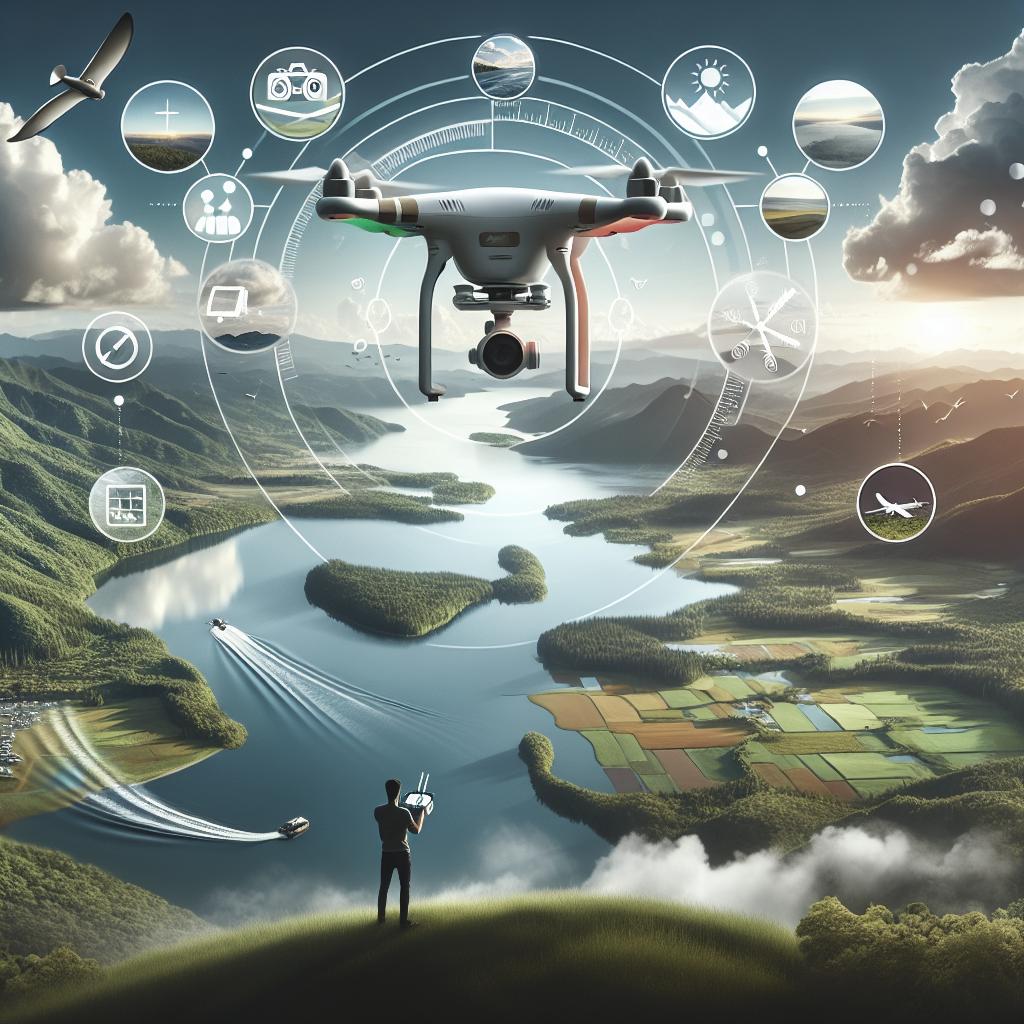
Aerial photography offers a unique perspective, capturing landscapes and structures from above, often revealing patterns and beauty not visible from the ground. This blog post will delve into essential tips and tricks for capturing stunning aerial shots, thanks to modern technology like drones. We’ll guide you through preparations before taking flight, best practices while in the air, and vital steps to follow once you’ve landed. Whether you’re a beginner hoping to explore this fascinating form of photography or a seasoned pro looking to refine your skills, these insights will enhance your aerial endeavors. Stay with us as we soar through the key aspects of mastering aerial photography.
1) Before you Fly
A successful aerial photography session begins long before you launch your drone into the sky. Planning is vital. Start by researching your location. Understand the geography and layout of the area, and identify potential vantage points. Consider the lighting at different times of the day—early morning or late afternoon typically offers softer, more flattering natural light, known as the ‘golden hour’. Always check the weather conditions. Strong winds or rain can not only ruin your photos but can also risk the safety of your drone.
Next, ensure all your equipment is ready to go. This includes fully charged batteries, formatted memory cards, and any necessary accessories like ND filters, which can help manage light levels. Perform a pre-flight check of your drone to make sure everything from the propellers to the camera is in optimal condition. Familiarize yourself with local regulations regarding the use of drones to avoid any legal complications. In some areas, specific permissions or registrations might be required.
Lastly, practice using your drone’s controls. Familiarity with the device’s operation will ensure smoother flights and better control, enabling you to focus on composition and capturing the best possible images. If you’re new to flying or photographing with a drone, consider practicing in open spaces with few obstacles before moving on to more complex environments.
2) While you Fly
While in the air, patience and precision are key. Start by experimenting with different angles and perspectives. Aerial photography allows for creative compositions that are not possible from the ground. Try to include a focal point in your shots to lead the viewer’s eye and create a story within the image. Don’t be afraid to use leading lines or look for symmetry that can often be found from a bird’s-eye view.
Maintain a steady hover whenever you’re framing your shots. Take your time to adjust the position of the drone to achieve the best possible composition. If your drone supports it, use automated flight modes such as orbit or follow to capture dynamic footage effortlessly. These features can help add cinematic quality to your videos by ensuring smooth and stable movement.
Always be mindful of battery life. Plan your flight path in advance to maximize your shooting time while ensuring you have enough power to safely return your drone. It’s crucial to keep an eye on your signal strength, especially in areas with possible interference like urban settings. Use Return-to-Home functions wisely to avoid emergency landings when battery power diminishes.
3) After you Fly
Once your drone has safely landed, it’s time to review and edit your captures. Start by downloading your photos and videos to a computer to see them on a larger screen. This helps in identifying standout shots and deletes any that didn’t turn out as expected. When editing, subtle adjustments to brightness, contrast, and saturation can enhance the overall image quality without compromising the realness of the original scene.
Organize your photos and categorize them by location or theme. This practice helps create a portfolio that you can easily draw from for future projects or showcase to potential clients. Utilize file tagging and metadata features to keep your collection identifiable and organized. Consider backing up your files on external drives or cloud services to prevent data loss.
Lastly, reflect on your shoot. Consider what went well and what could be improved. New skills often emerge from trial and error, so identify any mistakes to avoid in future missions. Engage with online communities or forums to share your work for feedback or to gain inspiration from other aerial photographers. Continuous learning and community interaction are invaluable for growth in this field.
Related Images


Leave a Reply Cancel reply
Lessons Learned
| Stage | Key Tips | Important Notes |
|---|---|---|
| Before you Fly | Research the location, check the weather, and prepare your equipment | Ensure compliance with local drone regulations |
| While you Fly | Experiment with angles, maintain steady shots, monitor battery | Utilize automated features for smooth shots |
| After you Fly | Review and edit photos, organize and backup files | Reflect on the experience for future improvement |
“`
