
“`html
How to Photograph People of Diverse Backgrounds
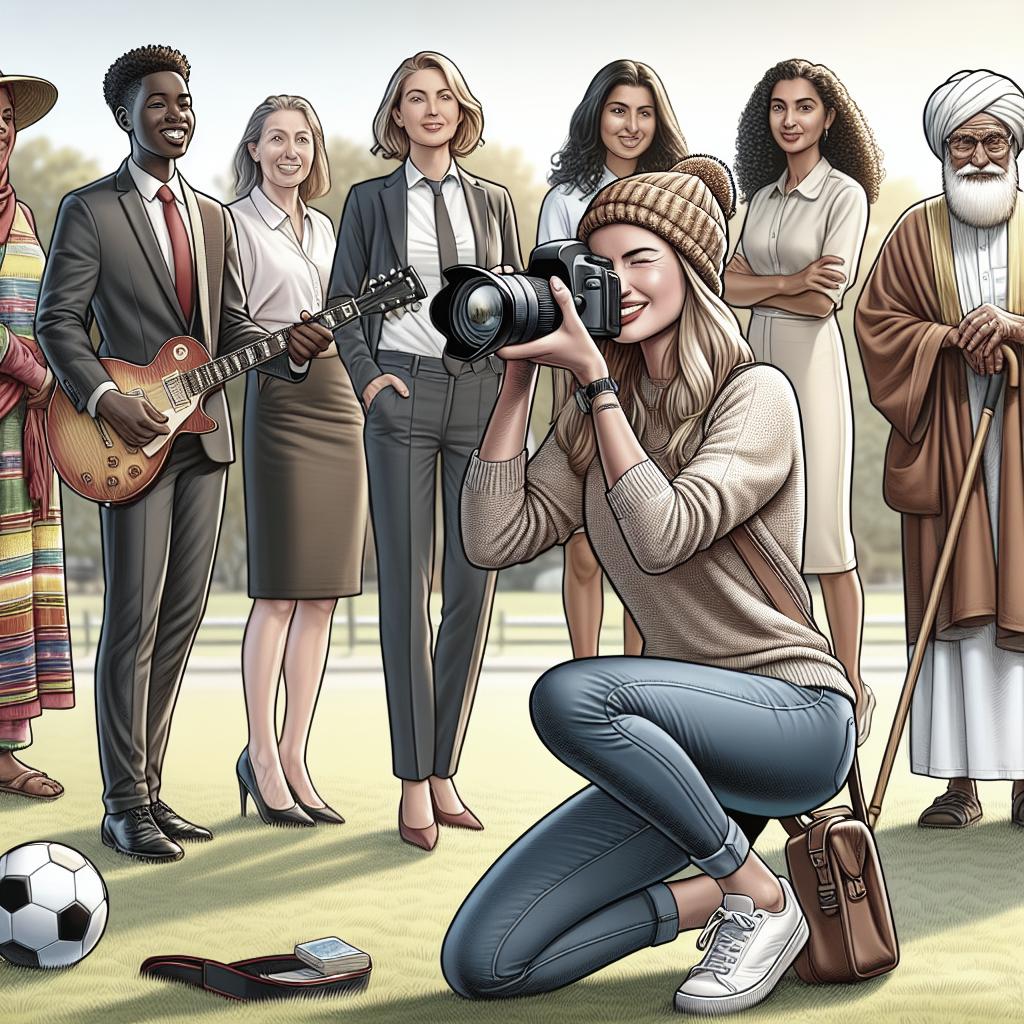
Photography, at its core, is about capturing the essence of moments and the unique qualities of individuals and communities. This blog post will delve into the nuances of photographing people of diverse backgrounds with a particular focus on BIPOC (Black, Indigenous, and People of Color). We’ll explore the historical lens that’s often biased, tips on selecting the right vendors, technical insights for photographing BIPOC clients, and the crucial aspect of editing images. Moreover, we’ll share some insights from professionals in the field and intimate readers with opportunities for collaboration. Whether you’re a seasoned photographer or a keen amateur, there are lessons here to ensure your work is both technically adept and culturally sensitive.
Like this content and want some more?
If you’re enjoying what you’re reading and are hungry for more insights on photography, culture, and creative tips, consider subscribing to our newsletter. With regular updates, we aim to keep you informed and inspired. Our content not only covers technical photography advice but also dives into diverse topics that celebrate culture and innovation.
Follow us on social media to join a community of like-minded individuals passionate about capturing the world’s beauty and diversity through the lens. Engage with our articles, share your thoughts, and let us know what you’d like to learn more about. We value your feedback and look forward to growing with you on this photographic journey.
The Historical Bias of Photography
The art of photography has a storied history, yet it hasn’t always been inclusive of all skin tones. Traditional photographic equipment and film were initially designed with Caucasian skin tones in mind, often resulting in the systemic mistranslation of darker skin tones. This historical bias casts light on the need for photographers to be more conscious of how they represent people, capturing the inherent beauty of every individual, regardless of background.
As the technological landscape evolved, it became imperative for the photography industry to adapt and innovate. Companies have since made strides, improving film and digital sensors to better accommodate a wider range of skin tones. By exploring the history of photography’s bias, modern photographers can appreciate the value of adjusting techniques, ensuring all subjects are beautifully and accurately captured.
Selecting Vendors for BIPOC
Review The Photographer’s Portfolio
When hiring a photographer to capture images of individuals from diverse backgrounds, it’s crucial to scrutinize their portfolio. Is there a diverse representation in the work they’ve already produced? A varied portfolio signifies a photographer who is skilled at capturing a range of skin tones and understands nuances essential for inclusive photography.
Additionally, seek testimonials and feedback from previous clients, particularly those who identify as BIPOC. Their experiences will provide insight into the photographer’s ability to deliver on representation and authenticity in the final photographs.
Ask Them About Photographing BIPOC
Dialogue is vital when searching for the right photographer. Engage them in discussions about their experiences photographing BIPOC subjects. A professional comfortable with this topic will articulate their techniques, challenges, and learning experiences in ensuring proper representation in their work.
Photographers who prioritize BIPOC clients will have considered and evolved methods for lighting, editing, and posing their subjects. Their knowledge in these areas fosters trust and builds a collaborative, respectful relationship between client and photographer.
Find A Hair & Makeup Artist With Experience
Choosing the right hair and makeup artist is just as vital as selecting the photographer. Make sure to seek out professionals who have worked across various skin tones and hair textures. Their understanding of color matching and appropriate product choice can significantly enhance the subject’s appearance in photographs.
Experienced artists can seamlessly integrate their client’s natural beauty with camera demands, ensuring a final portrayal where subjects feel comfortable and confident, contributing to a genuine expression in front of the lens.
How To Photograph BIPOC
Avoid Dark Backgrounds
For subjects with darker skin tones, using dark backgrounds can result in an image that lacks definition. Opt for lighter, contrasting backgrounds to make subjects stand out, emphasizing their features without blending their complexion with the backdrop.
This doesn’t mean avoiding dark backgrounds altogether, but rather carefully balancing light and composition to maintain depth and character in the photo.
Use A Hair Light
Hair lighting—positioning a light source to illuminate the hair—can add dimension to a photograph, drawing visual attention to a subject’s profile and contour. This technique prevents subjects from blending into the background, making them pop within the frame.
Being mindful of light placement can uniquely highlight hair textures and colors, bringing richness to portraits of diverse subjects.
Light The Subject, Not The Background
Lighting plays a crucial role in effectively photographing BIPOC subjects. Concentrating the light onto the subject rather than the background enhances their features, ensuring they are the focal point of the composition.
This method accentuates the natural beauty and complexion without overshadowing the subject with background distractions.
Embrace Silhouettes
Silhouettes offer a creative approach to photography by focusing on the shape and form of the subject rather than details. This technique allows photographers to use light artistically, highlighting the unique outlines and profiles of diverse individuals.
While emphasizing the overall form, brilliant light contrasts can still hint at personality and emotion, resulting in a powerful and expressive image.
Compliment The Undertones
Recognizing and complimenting skin undertones can significantly influence the mood and aesthetic of a photograph. Warmer lighting highlights individuals with warm undertones, enhancing natural hues and showing vitality.
Conversely, cooler lighting complements cool undertones. Observing and adjusting to these nuances ensures the capture retains its authenticity and enhances the subject’s natural beauty.
Use Reflected Or Diffused Light
Reflected or diffused light gently envelops subjects, softening features and reducing harsh shadows, which can be unflattering. This lighting setup ensures an even distribution, capturing the subject’s essence more delicately.
Reflections from white surfaces or diffusers achieve a natural finish, harmoniously balancing tones and details across a spectrum of skin colors.
With Group Photos, Place The Darkest Skinned Person Nearest The Light
In group settings, ensuring balanced lighting for all subjects is crucial. Positioning the darkest-skinned individuals closest to the light source prevents them from fading into the background and ensures each person’s features are equally visible.
This thoughtful arrangement respects each person’s presence and contributes to a well-integrated, harmonious group photo.
Editing Images of BIPOC
Use The Highlight and Shadow Sliders
Photo editing software including Adobe Lightroom and Photoshop provides powerful tools to enhance images. The highlight and shadow sliders, in particular, allow photographers to bring forth details deeply embedded within the high and low intensity areas of an image.
Such tools help in balancing the exposure post-shoot, revealing the natural contours and complexities of skin tones while preserving image authenticity.
Properly Expose In-Camera First
While post-processing offers significant post-production control, initial camera exposure remains the bedrock of a quality photograph. Properly exposing the image firsthand ensures all details are captured with accuracy, providing a robust basis for enhancement.
Meticulous exposure work during the shoot minimizes excessive dependency on editing software, maintaining the integrity of original colors and tones present in the scene.
A Quick Interview
To deepen our understanding, we reached out to reputable photographers who specialize in capturing diverse subjects. Their insights reveal a commitment to authentic representation and cultural sensitivity. “Every subject is unique, and it’s essential to listen, adapt, and engage with clients to truly reflect their stories,” shares photographer Sasha Clarke.
Another veteran, Jerome Pritchett, emphasizes the importance of education and continuous learning. “The industry is always evolving. Attending workshops, seeking feedback, and staying curious are keys to mastering the art of photographing BIPOC clients,” Jerome notes.
Based in Atlanta and interested in working together?
If you’re located in Atlanta and are passionate about capturing life’s diversity through photography, let’s collaborate. Whether you’re looking for someone to work alongside you in your projects, or need help with visual storytelling, I’m here to help.
My experience and interests align with presenting the world in its truest and most captivating light. By joining forces, we can achieve works of art that respect and celebrate diverse heritages and narratives.
If the prospect of working together excites you, feel free to reach out for collaborations, discussions, or just to share ideas. Atlanta is teeming with talent and opportunity, and I look forward to exploring them with you.
Lessons Learned
| Topic | Key Takeaway |
|---|---|
| Historical Bias of Photography | Understanding the evolution of camera technology and its impact on diverse skin tones. |
| Selecting Vendors for BIPOC | Importance of selecting knowledgeable photographers and artists sensitive to all skin tones. |
| How to Photograph BIPOC | Techniques like using hair light, embracing silhouettes, and lighting the subject effectively. |
| Editing Images of BIPOC | Proper in-camera exposure and using light sliders for enhancing skin details without losing authenticity. |
| Collaboration Opportunities | Encouragement for partnerships in Atlanta aiming at producing diverse and culturally-sensitive photography. |
“`
